
The Cost of Self-Awareness No One Talks About
Self-awareness gets praised like it’s an upgrade.
Like once you have it, life gets lighter. Clearer. Easier.
It doesn’t.
In many ways, it gets heavier.
Because once you become self-aware, you lose the comfort of ignorance. You don’t get to stumble through your patterns unseen anymore. You start noticing yourself mid-reaction, mid-excuse, mid-avoidance. And once you see that moment, you can’t unsee it.
That’s when the rules change.
Before self-awareness, life is blunt. You react. You justify. You blame circumstances, timing, other people. You explode or withdraw and tell yourself a clean story about why it made sense. You sleep fine.
After self-awareness, everything has edges.
You notice the lie forming before it leaves your mouth. You feel the familiar urge to shut down before you disappear. You recognise when silence isn’t peace but self-protection. And that awareness doesn’t automatically make you better. It just makes you responsible.
That’s the cost no one warns you about.
Once you’re self-aware, “that’s just how I am” stops working. You don’t get the relief of being reactive without the aftertaste. You don’t get to play the victim without feeling it in your chest afterwards. You know where you contributed. You know where you chose comfort over honesty. You know where you stayed quiet to keep the surface calm while something underneath eroded.
And sometimes, that awareness doesn’t lead to immediate change. It just sits there. Watching.
You understand more than you act. You see the pattern rising and still choose the familiar response. Not because you don’t care. But because knowing what’s wrong and having the capacity to do something different are not the same thing.
This is where a lot of people get stuck.
Self-awareness cracks something open. But it doesn’t come with instructions. So people land in a strange in-between state. They’re no longer unconscious enough to be comfortable. But they’re not yet grounded enough to be steady.
They feel the pause before the reaction.
They sense the choice point.
And then… nothing.
No next move. No structure. No trained response for acting differently under pressure.
So awareness turns inward and starts eating itself. Overthinking. Self-monitoring. Endless internal commentary. People think they’re “doing the work” because they’re analysing, but really they’re just watching themselves struggle.
That’s why it often goes quiet.
Not because people don’t feel this. And not because they lack intelligence or depth. But because naming it without knowing what comes next feels dangerous. Once you articulate it clearly, you can’t hide from the fact that something is now required of you.
There’s also a loneliness that comes with self-awareness.
You start seeing why people do what they do. You notice the fear underneath behaviour. You understand the pain driving the pattern. And that empathy makes clean exits harder. You can’t just villainise and move on. You carry context. You carry nuance. Sometimes you carry responsibility even when no one asked you to.
You don’t get the same relief from exploding. You don’t get the same satisfaction from being careless. You don’t get to be dramatic without consequence. You see too much.
And yes, there’s grief in it.
Grief for conversations you’d handle differently now. Grief for versions of yourself you no longer recognise. Grief for the time when reacting felt simpler. Self-awareness doesn’t erase the past. It just removes the blindfold. You see the cost of who you were without being able to undo it.
That restraint can feel exhausting.
Reacting would be easier.
Blaming would be lighter.
Not knowing would be comfortable.
But you know now. And knowing changes the rules.
Here’s the part most cultures skip.
Self-awareness is not the finish line.
Awareness without structure becomes rumination. Awareness without action becomes self-surveillance. Awareness without standards becomes paralysis. That’s why so many people end up heavier, not freer. They stop at insight and wonder why life didn’t open up.
Self-awareness is phase one.
Capacity is phase two.
Capacity to hold discomfort without collapsing.
Capacity to speak when your voice shakes.
Capacity to choose honesty over harmony when it matters.
Capacity to act differently consistently, not perfectly.
That capacity isn’t found through more insight. It’s built. Through repetition. Through standards. Through deciding who you are when it costs you something.
Self-awareness isn’t meant to make you softer. It’s meant to make you cleaner.
Cleaner decisions.
Cleaner communication.
Cleaner ownership.
Yes, there’s a cost.
But the real danger isn’t paying it.
It’s paying it and stopping there.
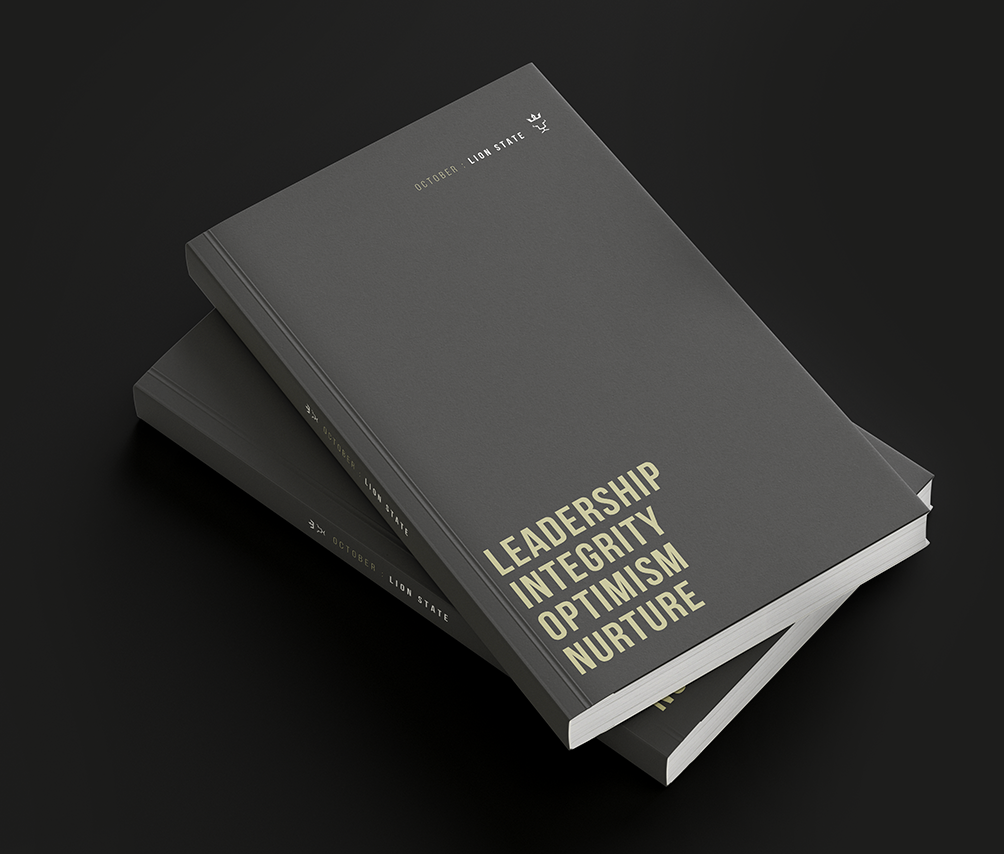
coming soon: april 2026
Secure your journey today with the Lion State Framework and see your mindset, habits, and life transform.
Step into Leadership—Transform Your Life Today Your transformation starts
now. With Lion State’s clear plan and supportive community, you’ll gain the clarity, confidence, and tools you need to lead with purpose and intention.
Fuel Your Mind
Get inspired, stay motivated, and challenge your perspective with these thought-provoking reads.

Practising Self-Compassion: The Power of Self-Compassion
Practising Self-Compassion: The Power of Self-CompassionWe often speak kindly to others when they’re struggling, but when it comes to ourselves, that kindness can be in short supply. Self-compassion is about extending the same warmth and understanding to ourselves...

Building Emotional Resilience
Building Emotional Resilience: What Is Emotional Resilience?Life is full of ups and downs, but how we respond to those moments of challenge defines our emotional resilience. Emotional resilience is the ability to bounce back from setbacks and difficult experiences...

Reframing Negative Thoughts
Why Your Thoughts Matter: Reframing Negative ThoughtsWe all experience moments when our minds seem to turn against us—whether it’s that nagging voice saying “You’ll never get this right” or the overwhelming sense that “Nothing ever goes my way.” These negative...